A size model that cut fit-based returns.
On covered styles
Purchases, sizes, kept vs sent back
Guidance, not a barrier
Figures are approximate and rounded to protect client confidentiality; exact numbers are withheld.
The problem.
A large share of returns came down to fit, not preference, shoppers guessing between sizes and sending back the miss. Every one of those returns carried shipping, processing, and lost-margin cost, and the site gave no guidance to prevent them.
The approach.
I built a size-recommendation model trained on purchase-and-return history, which sizes each style ran to, and which orders came back as fit returns. The model translated that into a simple, per-style recommendation surfaced at the point of choice, so the guidance helped rather than blocked the purchase.
The outcome.
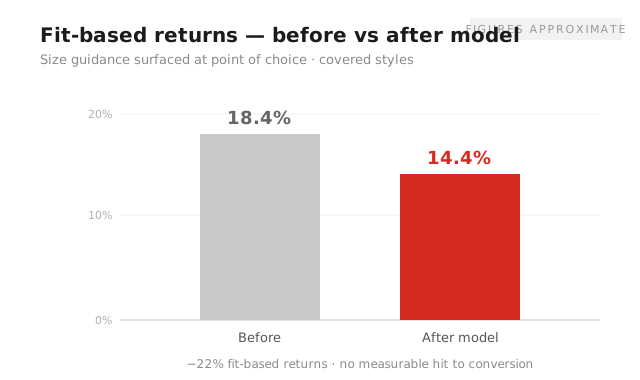
Fit-based returns on covered styles fell 22% with no measurable hit to conversion, the shopper got to the right size before buying, not after. A data-science answer to a problem the industry usually accepts as unavoidable.
From the work.
If most of your returns are size misses, there's a model for that, trained on your own history. One slot open for Q3 2026.